In today’s industrial manufacturing, lightweight design and high performance have become mainstream trends. Particularly in high-tech industries such as new energy vehicles (NEVs), aerospace, and 3C electronics, the demand for advanced materials is constantly rising. As the lightest structural metal material, magnesium alloy is gradually emerging as an alternative to traditional aluminum alloy and zinc alloy die casting.
So, what exactly is magnesium alloy die casting? What are its advantages, and in which applications does it excel? This article explores magnesium alloy die casting in detail, covering materials, processes, applications, and future trends.
Die casting is a manufacturing process in which molten metal is injected into a mold cavity at high pressure and high speed, then rapidly cooled and solidified into a precise casting. When magnesium alloy is used as the raw material, the process is known as magnesium alloy die casting.
Magnesium alloys have outstanding characteristics, such as:
> Low density (1.74 g/cm³) – the lightest among structural metals.
> High specific strength – strong yet lightweight.
> Excellent thermal conductivity and damping performance.
> Superior electromagnetic shielding properties.
Compared with zinc alloy die casting and aluminum alloy die casting, magnesium alloy die casting is particularly advantageous in lightweight design, heat dissipation, and vibration absorption.
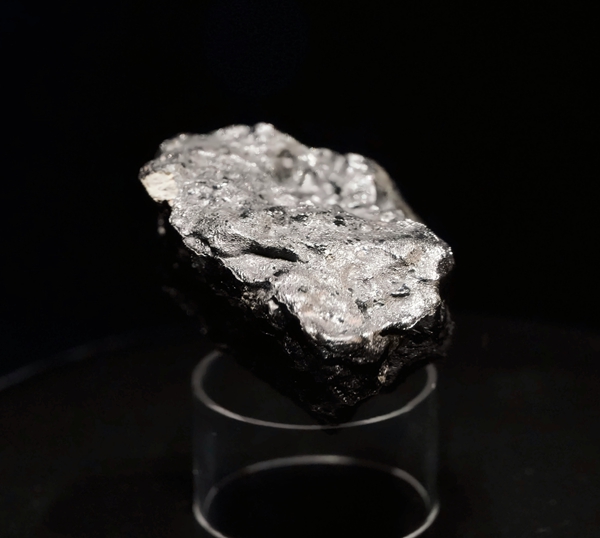
Magnesium alloys are not pure magnesium but are created by adding elements such as aluminum, zinc, manganese, and rare earth metals. Widely used die casting magnesium alloys include:
> AZ91D – Excellent strength, corrosion resistance, and castability.
> AM60B – High toughness, commonly used in automotive dashboards and seat frames.
> AM50A – Balanced strength and ductility, ideal for automotive parts.
> AE44 – Rare earth alloy with outstanding high-temperature performance.
> ZK60A – High strength, often used in aerospace components.
By adjusting alloy compositions, manufacturers can balance flowability, strength, corrosion resistance, and heat resistance to meet different industrial needs.
Magnesium alloy die casting can be carried out using hot chamber die casting, cold chamber die casting, or vacuum die casting. The general process includes:
① Mold Preparation – Preheated to 200–300°C with lubricant applied.
② Melting & Protection – Conducted under protective gases (SF₆ + CO₂) to avoid oxidation.
③ High-Pressure Injection – At 40–100 MPa with a filling speed up to 100 m/s.
④ Rapid Cooling & Solidification – Strict mold temperature control to prevent defects.
⑤ Ejection & Post-Treatment – Trimming, machining, and surface treatment such as micro-arc oxidation.
Notably, vacuum die casting is increasingly applied to reduce porosity and improve mechanical properties.
When selecting die casting materials, magnesium alloy and aluminum alloy are often compared.
> Magnesium alloys are ~33% lighter than aluminum.
> They offer better electromagnetic shielding and higher specific strength.
> Aluminum alloys excel in corrosion resistance and lower production costs.
> Magnesium allows thinner wall thickness (0.5 mm vs. 1.2 mm in aluminum).
Thus, magnesium alloys are ideal for lightweight and high-performance applications, while aluminum alloys remain favorable in cost-sensitive projects.
Magnesium alloy die castings are widely used due to their lightweight, strength, and heat dissipation properties:
> Automotive industry – Battery trays, motor housings, steering wheels, and seat frames. Companies like Tesla and BYD already use magnesium parts extensively.
> Aerospace – Aircraft seating, cabin structures, and UAV bodies.
> 3C Electronics – Laptop shells, smartphone frames, and camera modules.
> Medical devices – Surgical tools, orthopedic implants, and device housings (biocompatibility adds value).
> Consumer & Industrial Products – Power tools, sports equipment, and optical instruments.
Globally, Europe, Japan, and the U.S. lead in magnesium alloy die casting technology. China, holding over 70% of the world’s magnesium resources, is also rapidly expanding in this field.
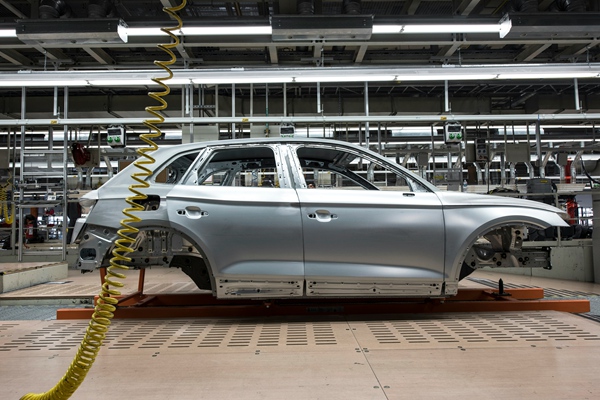
Despite its advantages, magnesium alloy die casting faces challenges such as:
> High cost of protective gases (SF₆).
> Lower corrosion resistance (requires surface treatment).
> Higher production costs.
However, future developments are promising:
① New Alloy Materials – Rare earth magnesium alloys with improved strength (>300 MPa) and heat resistance.
② Eco-Friendly Processes – Adoption of SO₂ and dry-ice protection to replace SF₆.
③ Composite Die Casting – Magnesium combined with carbon fiber for further weight reduction.
④ Rising Market Penetration – Expected NEV adoption rate of magnesium parts to rise from 5% to 15% by 2025.
⑤ China’s Opportunities – Leveraging its magnesium reserves to overcome technical and industrial bottlenecks.
The lightweight trend and global carbon-reduction goals will continue driving the growth of magnesium alloy die casting.
EDT Diecasting Technology – Your Trusted Partner in Die Casting
If you are looking for a reliable die casting manufacturer, whether for magnesium alloy die casting, zinc alloy die casting, or aluminum alloy die casting, EDT Diecasting Technology (Suzhou) Co., Ltd. is your ideal partner.
With advanced European die casting expertise and state-of-the-art equipment, we ensure strict quality control from raw materials to finished products. Our solutions cover complex structures, high-precision housings, and large-scale production.
EDT has specialized in zinc and aluminum alloy die casting for many years while expanding into magnesium alloy die casting. We are committed to providing lightweight, high-performance precision metal components for automotive, electronics, medical, and industrial sectors.
Choosing EDT means choosing quality and trust. Contact us today to learn more about our products and services!
Hotline
0512-67371602
E-mail:sales@edt-china.cn
Add:West Building, 66 Songshan Road, Suzhou New District, P.R. China

Hotline