In the die casting industry, many might assume that having a blueprint is sufficient to start production. However, whether it's aluminum die casting or zinc alloy die casting, the die casting process flow is complex and requires thorough preparation and risk assessment. A single oversight at any stage can lead to project delays, cost overruns, or even batch failures. This article, drawing on industry expertise and specific references, analyzes three critical pitfalls to watch out for during the die casting part design and pre-production phases. It aims to help you navigate these challenges before die casting production begins, ensuring a smooth journey from blueprint to mass production.
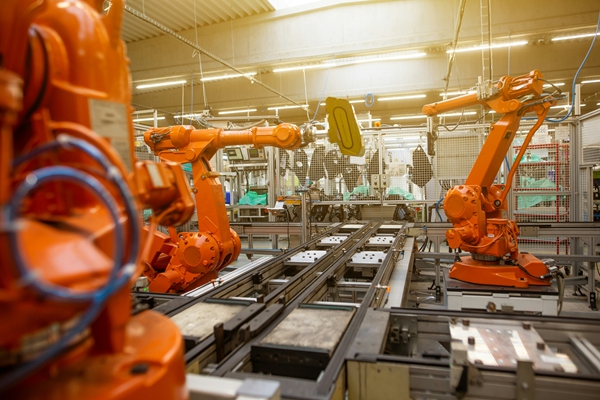
Many clients believe that handing over design drawings to the supplier completes their task. However, there is often a gap between ideal parameters on paper and the actual capabilities of production equipment. The feasibility of the initially designed die casting process must be validated through actual production runs once the mold arrives at the factory. Skipping or rushing this step is the first major pitfall.
The Problem & Consequences: Proceeding to mass production without adequate process validation directly leads to inconsistent product quality. For instance, incorrect slow shot speed settings can cause air entrapment in the injection sleeve, resulting in internal porosity in the final casting. This severely compromises the part's strength and density. More troublesome are internal defects that go undetected during production, only surfacing during subsequent machining or assembly. This can lead to the rejection of entire batches, causing significant financial loss and damage to reputation.
How to Avoid It: The key lies in adhering to a scientific and rigorous prototyping process. A reliable new product development cycle should include at least three stages of trial production. First, after confirming a single part's dimensions, conduct a small-batch trial of 30-50 pieces to verify product performance. Next, run a trial of at least one full production shift (approximately 300 pieces) to validate mold efficiency and process stability. Finally, only after resolving issues from the first two stages should full-scale mass production commence. Throughout this process, utilize the speed and pressure curves provided by the equipment for monitoring and adjustment, ensuring core parameters like fast shot speed and intensification trigger timing are optimized. When working with a supplier, explicitly require detailed process validation reports and data.
The mold is the core of the die casting process flow, and its quality directly determines the final product's precision and appearance. The second major pitfall arises when projects, often to expedite timelines, proceed with insufficient mold design review or opt for inappropriate mold materials and structures to cut costs.
The Problem & Consequences: Defects in mold design are directly replicated in the product, causing various quality issues. For example, poor gating design or low mold temperature can lead to flow marks and blemishes on the casting surface. An不合理 (unreasonable) mold insert structure or inadequate rigidity may cause slight displacement during injection, resulting in flash or dimensional inaccuracies. Poor venting system design prevents gas from escaping the cavity, creating porosity. For complex thin-walled parts, the design of the ejection mechanism and cooling system is especially critical. Improper layout can easily cause casting warpage or cracking.
How to Avoid It: Conduct an in-depth design review with your supplier before mold fabrication begins. Focus on the rationality of the gating and overflow system (gate, runners, overflow wells, vents), the layout of cooling channels, and the surface treatment of the cavity. For zinc alloy die casting or aluminum die casting thin-walled parts, request a mold flow analysis report from the mold maker to predict metal fill patterns and optimize the design proactively. Furthermore, establish clear standards for mold maintenance and acceptance. Crucially, after any major mold repair, a full re-validation of the production process is mandatory, as changes in the mold's condition directly affect the applicability of the original process parameters.
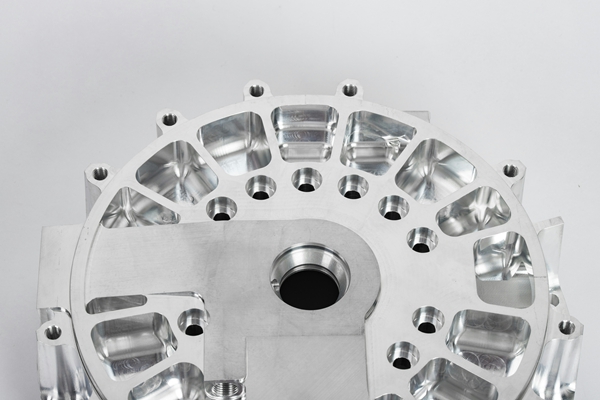
Selecting the wrong alloy grade or lax control over incoming materials is a frequently overlooked pitfall with profound consequences. This goes beyond simply "which material to use"; it fundamentally impacts the product's final mechanical properties, corrosion resistance, and service life.
The Problem & Consequences: Taking zinc alloy die casting as an example, the material is susceptible to intergranular corrosion and "aging." If harmful impurity elements like lead (Pb), tin (Sn), and cadmium (Cd) exceed limits, they drastically accelerate intergranular corrosion. This leads to decreased mechanical properties, poor plating performance after natural aging, and even brittle fracture during use. For aluminum die casting, substandard material composition similarly affects strength, toughness, and the outcome of subsequent surface treatments like anodizing. Advanced processes like integrated die casting place even higher demands on the heat-treatment-free properties of materials, making material development a technical barrier itself.
How to Avoid It: First, select the alloy grade precisely based on the part's end-use environment (e.g., load-bearing requirements, need for conductivity, exposure to corrosive media). Second, implement a strict quality control system for raw materials. Require suppliers to adhere to the latest national standards. For instance, for zinc alloys, reference can be made to the revised national standard "Die Casting Zinc Alloys," which provides more regulated requirements for the use of high-purity zinc and impurity element limits. Conduct material composition analysis and mechanical property testing before batch production. Additionally, explicitly agree with suppliers to resubmit test reports upon any change in material batch to ensure consistent quality.
Successful die casting part development is an exercise in精密 (precise) coordination across design, process, mold, and materials. Avoiding the three major pitfalls outlined above—by insisting on thorough process validation, investing in robust mold design, and adhering to stringent quality standards—cannot guarantee a problem-free journey but will significantly mitigate project risks and avoid costly trial-and-error. For those seeking a die casting production supplier, consider evaluating potential partners based on their procedural rigor and attention to technical detail in these very areas. Mastery at the source is what enables a perfect leap from blueprint to mass production.
EDT Die Casting Technology – Your Trusted Die Casting Partner
If you are looking for a reliable partner for custom precision parts and die-cast component manufacturing, EDT Die Casting Technology (Suzhou) Co., Ltd. is your ideal choice.
We specialize in zinc and aluminum alloy die casting, leveraging advanced European die-casting technology and management systems. Our facility is equipped with fully automated melting, die casting, machining, and inspection equipment, ensuring every product meets high-quality standards.
Whether you require complex structural components, high-precision housings, or parts with special material performance requirements, we can provide a one-stop solution from mold development to final product delivery through scientific process design and rigorous production control.
Choosing EDT means choosing Quality, Efficiency, and Trust!
Hotline
0512-67371602
E-mail:sales@edt-china.cn
Add:West Building, 66 Songshan Road, Suzhou New District, P.R. China

Hotline